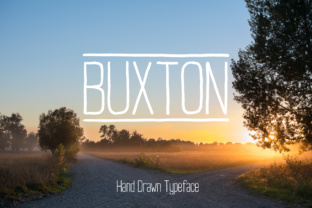
Buxton: A Font for Handmade Creativity and Modern Branding
One rainy afternoon, I was working on a set of custom candle labels for my small shop. The design had to feel personal yet professional, something that would stand out on the shelf but still feel approachable. That’s when I reached for Buxton. It’s not just a font—it’s a style, a mood, and a way to bring handmade products to life with elegance and modernity.
Buxton for Wedding Invitations and Elegant Branding
Buxton is a Script Handwritten font that balances charm with clarity. Its minimalistic design makes it perfect for wedding invitations where both style and legibility are essential. I’ve used Buxton to create elegant calligraphy-style text for save-the-dates and ceremony details, and it always feels refined without being too formal. When paired with a clean sans serif font like Montserrat or Lato, it adds visual interest while keeping the overall design cohesive.
For branding, Buxton offers a unique identity that speaks to creativity and craftsmanship. Whether it’s for a boutique tag, a product listing image, or a social media graphic, the font brings a sense of personality that resonates with customers. I’ve found that using Buxton in my shop’s logo and packaging helps create a consistent brand look that feels authentic and intentional.
Buxton for Seasonal Printables and Digital Downloads
Buxton shines in seasonal printables and digital downloads, especially during holidays like Christmas or Easter. I recently designed a set of printable wall art featuring Buxton for a farmhouse-themed collection. The font’s condensed style fits perfectly on smaller surfaces, making it ideal for signs, tags, and decorative elements. It also works well for longer phrases, as its legibility ensures that even intricate designs remain clear and readable.
When creating digital templates, Buxton’s versatility allows for creative flexibility. It looks great in both display and body text, which means it can be used for everything from titles to detailed descriptions. I’ve even used it for mockups of mugs and shirts, where the font adds a touch of sophistication to otherwise simple designs. The key is to pair it with a complementary font for balance, especially when working with multiple text layers.
Buxton for Product Labels and Packaging Design
Product labels are a crucial part of any handmade business, and Buxton has become one of my go-to choices. Its modern, condensed style fits perfectly on small stickers, tags, and labels, making it ideal for boutique packaging and gift wrap. I’ve used it for everything from vintage-inspired soap labels to minimalist tea box tags, and it always feels fresh and contemporary.
When designing packaging, Buxton’s readability is a major plus. Even in small sizes, the font remains easy to read, which is essential for customers who need to quickly identify what’s inside a product. I’ve also tested it on printed cards and mockup previews, and it holds up well under different printing conditions. Just make sure to check the file formats and licensing before selling physical products or digital templates.
Buxton for Greeting Cards and Stationery Designs
Greeting cards and stationery often require a font that feels personal and expressive. Buxton delivers exactly that, with its handwritten flair and modern structure. I’ve used it for birthday cards, thank-you notes, and holiday greetings, and it always adds a warm, handcrafted feel. Its script elements give the text a natural flow, making it ideal for decorative wording and handwritten-style layouts.
When pairing Buxton with other fonts, I often choose a bold sans serif for headings and a simple serif for body text. This contrast creates a balanced look that’s both stylish and functional. For example, I’ve used Buxton for the main message on a card and a clean, modern sans serif for the sender’s name and address. The result is a design that feels intentional and well-thought-out.
Buxton for Planner Pages and Creative Typography
Buxton is also a great choice for planner pages and creative typography projects. Its minimalistic design works well with bullet points, headings, and decorative elements, making it versatile for both functional and artistic uses. I’ve used it in journaling layouts, task lists, and even as a signature font for my own creative work.
When working with planners, Buxton’s legibility is a big plus. It reads smoothly even when used in small text sizes, which is important for daily entries and notes. I’ve also experimented with using it for decorative headers and borders, and it always adds a touch of elegance without overwhelming the design.
Buxton for Web Design and Social Media Graphics
Buxton is not limited to print—it’s equally effective in web design and social media graphics. Its clean lines and modern feel make it suitable for website headers, blog posts, and Instagram stories. I’ve used it for promotional banners, product listings, and even as a font for my shop’s About page, where it helps convey a sense of authenticity and creativity.
When designing for the web, it’s important to consider how Buxton will render across different devices and screen sizes. Testing it on various platforms ensures that the font maintains its clarity and style, whether it’s used in a header or a call-to-action button. Pairing it with a modern sans serif font like Roboto or Open Sans can help create a balanced and visually appealing layout.